
Ordering OEM safety boots and safety shoes allows businesses to build their own footwear brands while offering products designed to meet the needs of different industries. Through Original Equipment Manufacturing (OEM), distributors, wholesalers, and industrial suppliers can explore customized safety footwear instead of relying entirely on existing brands. This approach allows businesses to build product ranges that reflect their brand identity and target customers.
However, ordering OEM footwear involves several steps, from discussing product specifications to confirming production arrangements and delivery schedules. Understanding the process helps buyers prepare their requirements and communicate more effectively with manufacturers. When considering OEM safety boots and safety shoes from Korakoh, businesses can start by discussing their product preferences, customization requirements, and expected order quantities.
1. Discuss Your Business and Product Requirements
The first step when ordering OEM safety footwear is to identify your business needs. Different buyers may have different requirements depending on their target industries, customer preferences, and distribution plans.
For example, a wholesaler supplying construction companies may require durable safety boots, while a distributor serving warehouses may prefer lightweight safety shoes.
Before contacting Korakoh, consider the following:
- Target customers: Identify the industries and businesses you intend to serve to determine the most suitable footwear options.
- Footwear types: Decide whether you need safety boots, safety shoes, or both based on your target market.
- Product features: Determine the protection levels, material choices, and design elements needed for your footwear products.
- Order quantities: Estimate the number of pairs needed for your initial purchase to discuss pricing and minimum order requirements.
- Branding preferences: Determine how you want your company identity represented.
Having these details ready can make initial discussions more productive and help clarify the type of OEM products you want to develop.
Find the Perfect Fit for Your Industry
Don’t compromise on comfort or safety — Find your perfect boot with Korakoh’s specially designed range.
2. Explore Available Designs and Customization Options
One of the main benefits of OEM manufacturing is the opportunity to customize products according to your business requirements. Rather than selling only existing footwear brands, companies can explore developing safety footwear under their own names.
Depending on available manufacturing capabilities, customization may include:
- Company logos: Add your business logo to selected areas of the footwear or its packaging.
- Colors: Choose suitable color combinations that reflect your brand identity.
- Materials: Discuss available upper materials and sole options.
- Product designs: Select footwear styles that suit your target customers.
- Packaging: Explore customized packaging and labeling requirements.
When discussing OEM safety boots and safety shoes from Korakoh, buyers should confirm which customization options are available and whether additional requirements affect production costs or lead times.
3. Confirm Product Specifications and Safety Features
Safety footwear must provide suitable protection for its intended working environment. Therefore, confirming product specifications is an important part of the OEM ordering process.
Different workplaces may require different protective features. Buyers should consider the hazards their customers commonly encounter before selecting suitable footwear.
Common safety footwear features include:
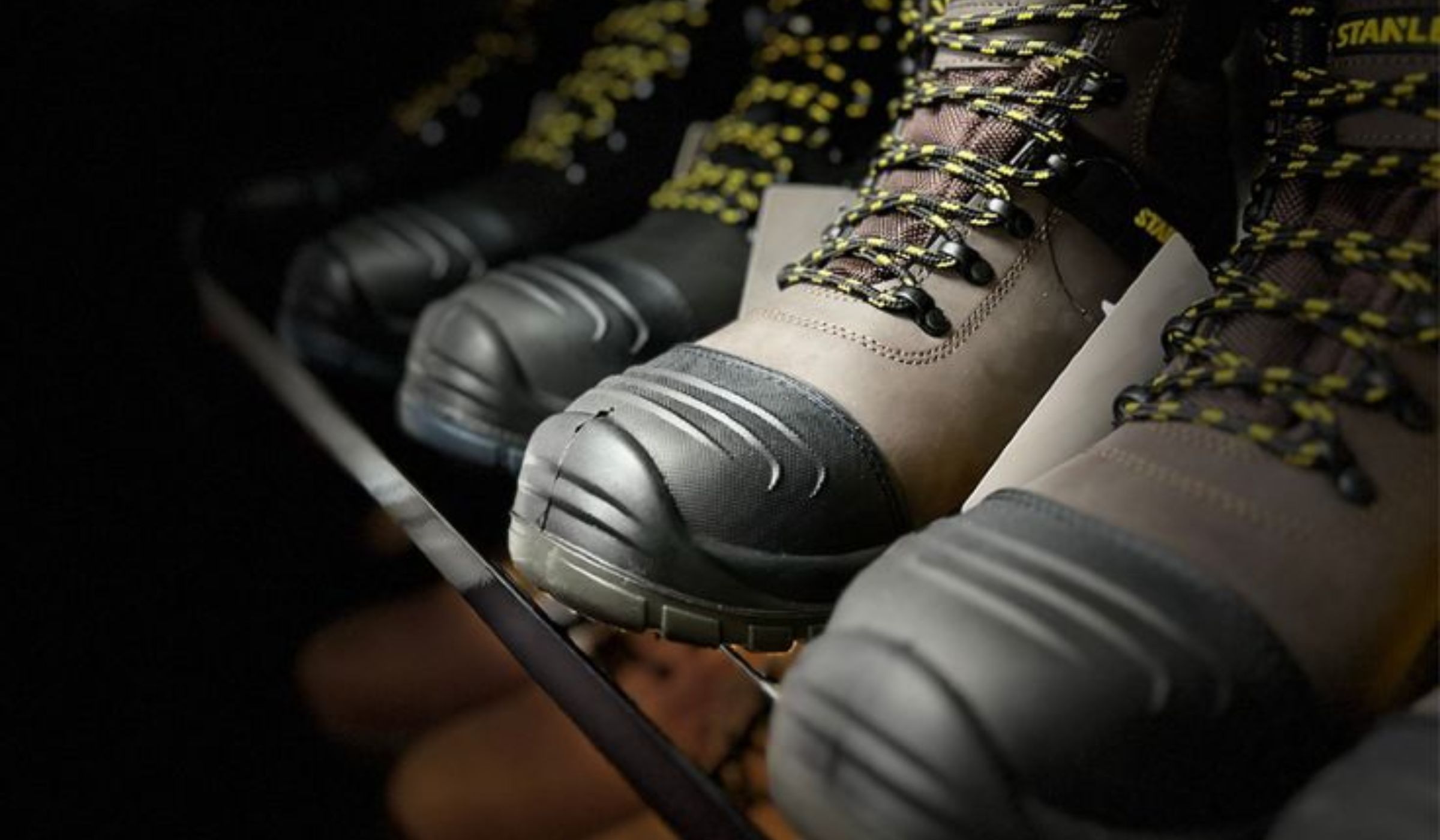
- Protective toe caps: Help protect workers’ toes from potential impact and compression hazards in the workplace.
- Slip-resistant outsoles: Provide better traction on suitable working surfaces and help reduce the risk of slipping.
- Puncture-resistant midsoles: Offer added protection against sharp objects that may penetrate the bottom of the footwear.
- Durable upper materials: Help withstand regular wear and tear in demanding work environments.
- Comfortable construction: Supports better foot comfort and wearability, especially during long working hours.
Importers and distributors should also request relevant testing reports and certification documents. Confirming that products meet the applicable safety standards in their intended markets helps businesses make more informed purchasing decisions.
4. Request Pricing and Minimum Order Quantities
Before confirming an OEM order, buyers should understand the supplier’s pricing structure and minimum order quantity (MOQ). These details help businesses determine whether the purchasing arrangement fits their budget and sales plans.
OEM pricing may depend on several factors, including:
- Order volume: Larger orders may qualify for different pricing arrangements.
- Customization: Special logos, materials, colors, or packaging may affect costs.
- Product specifications: Different footwear designs and protective features may have different prices.
- Packaging requirements: Customized packaging may involve additional expenses.
When ordering from Korakoh, businesses should request a quotation based on their preferred specifications. It is also important to clarify payment terms, additional charges, and minimum purchasing requirements before proceeding.
5. Understand Production Timelines and Order Processing
OEM footwear production requires proper planning, especially when products involve customized branding and specifications. Buyers should understand the estimated production lead time to avoid delays in their distribution plans.
Before confirming an order, discuss the following details:
- Order confirmation: Ensure product specifications, quantities, and pricing are agreed upon.
- Production scheduling: Confirm the estimated manufacturing timeline.
- Customization arrangements: Allow sufficient time for branding and packaging requirements.
- Quality inspections: Clarify the inspection procedures before products are shipped.
- Delivery planning: Discuss shipping methods and estimated delivery schedules.
Clear communication helps businesses prepare their inventory and coordinate product launches more effectively.
Find the Perfect Fit for Your Industry
Don’t compromise on comfort or safety — Find your perfect boot with Korakoh’s specially designed range.
6. Review Product Quality Before Shipment
Product quality should remain a priority throughout the OEM ordering process. Safety boots and shoes must be suitable for their intended applications and meet the relevant product requirements.
Before shipment, buyers should clarify how product inspections are handled. Depending on the agreed arrangements, quality checks may cover:
- Material condition and workmanship.
- Stitching and sole attachment.
- Size consistency across different pairs.
- Protective features and product specifications.
- Branding, labeling, and packaging accuracy.
Businesses should also confirm the availability of relevant testing documentation and product certifications. These checks help reduce the risk of receiving products that do not match the agreed specifications.
7. Plan Shipping and Future Orders
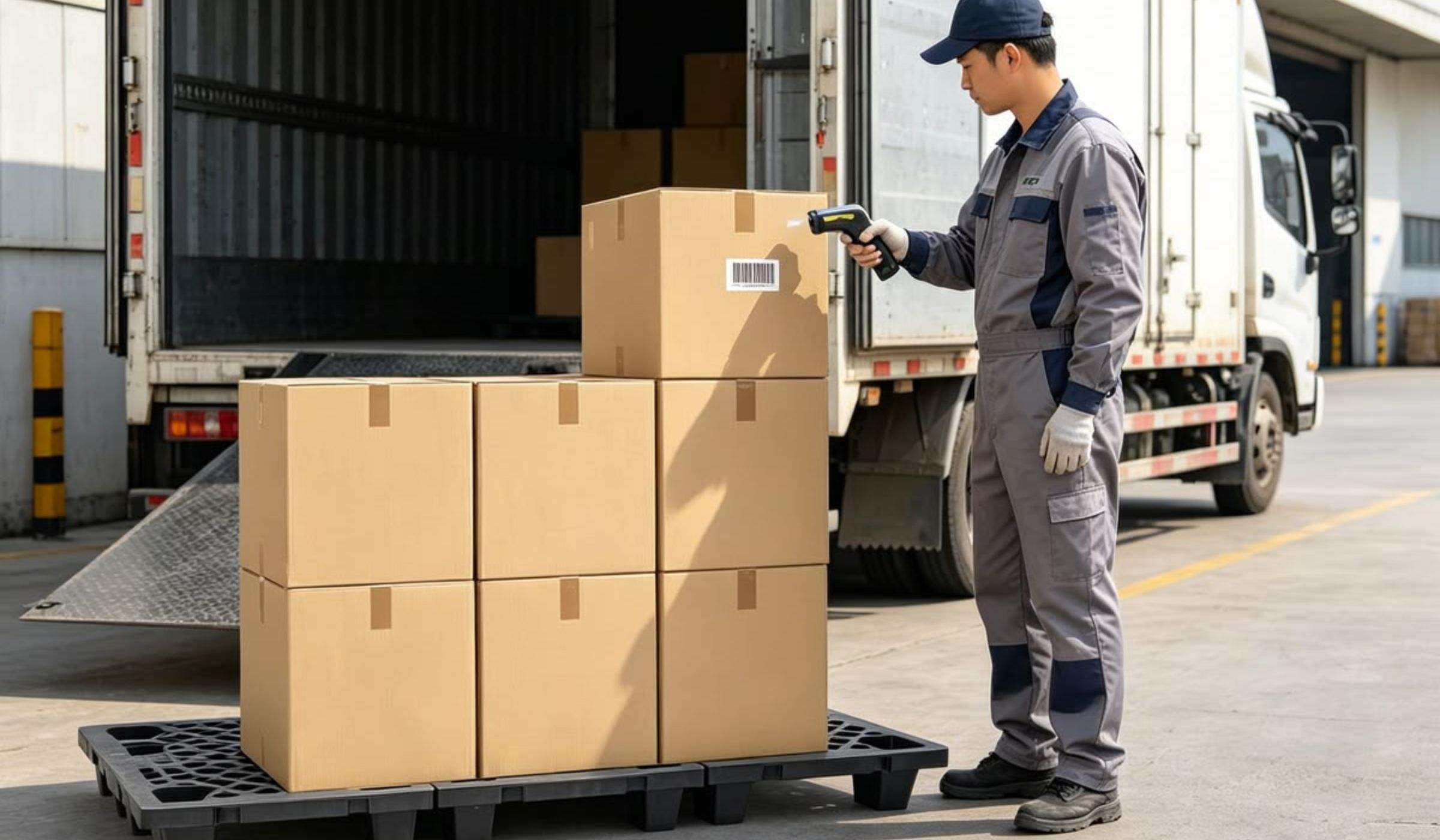
Once production is completed, the next step is to coordinate delivery. International buyers should understand the shipping arrangements and documentation needed to receive their OEM safety footwear.
Important details to confirm include:
- Shipping methods: Discuss suitable transportation options based on your order size, destination, and delivery requirements.
- Delivery costs: Understand freight charges and other applicable expenses.
- Export documentation: Confirm the necessary documents required for customs clearance and international delivery.
- Delivery schedules: Check the estimated arrival times to plan your inventory and distribution activities.
- Future purchasing: Discuss arrangements for repeat orders and inventory replenishment to support your ongoing business needs.
For distributors and wholesalers, planning future orders is particularly important. Maintaining suitable stock levels can help businesses meet customer demand without unnecessary purchasing delays.
Conclusion
Ordering OEM safety boots and safety shoes involves more than choosing a suitable design. Businesses should also consider product specifications, customization options, pricing, production schedules, quality inspections, and shipping arrangements before confirming their orders.
Korakoh provides businesses with an opportunity to discuss OEM safety footwear sourcing based on their branding and product requirements. Whether you are a wholesaler, distributor, or industrial supplier, contact Korakoh to learn more about ordering OEM safety boots and safety shoes that suit your target market.
Find Your Safety Shoes
KORAKOH Manufactures High Quality Safety Shoes, Industrial Safety Shoes, Safety Boots, Industrial PVC and Rubber Boots. We design, manufacture and distribute high quality PVC Safety Gumboots to suppliers worldwide. Korakoh is also an expert in the design and development of customers own PVC Safety Gumboots, designs and specifications can be tailored to meet the wearers exact needs.