Wet conditions can make walking and working more challenging, especially during rainy weather, outdoor activities, and jobs that involve water exposure. Choosing suitable footwear helps keep feet dry, improve comfort, and reduce the risk of slipping on wet surfaces. Two common options are rain boots and waterproof shoes, but each offers different levels of coverage, flexibility, and protection.
Understanding the differences between these footwear options can help you choose the right pair for your daily activities, workplace requirements, and local weather conditions.
1. Understanding Rain Boots and Waterproof Shoes
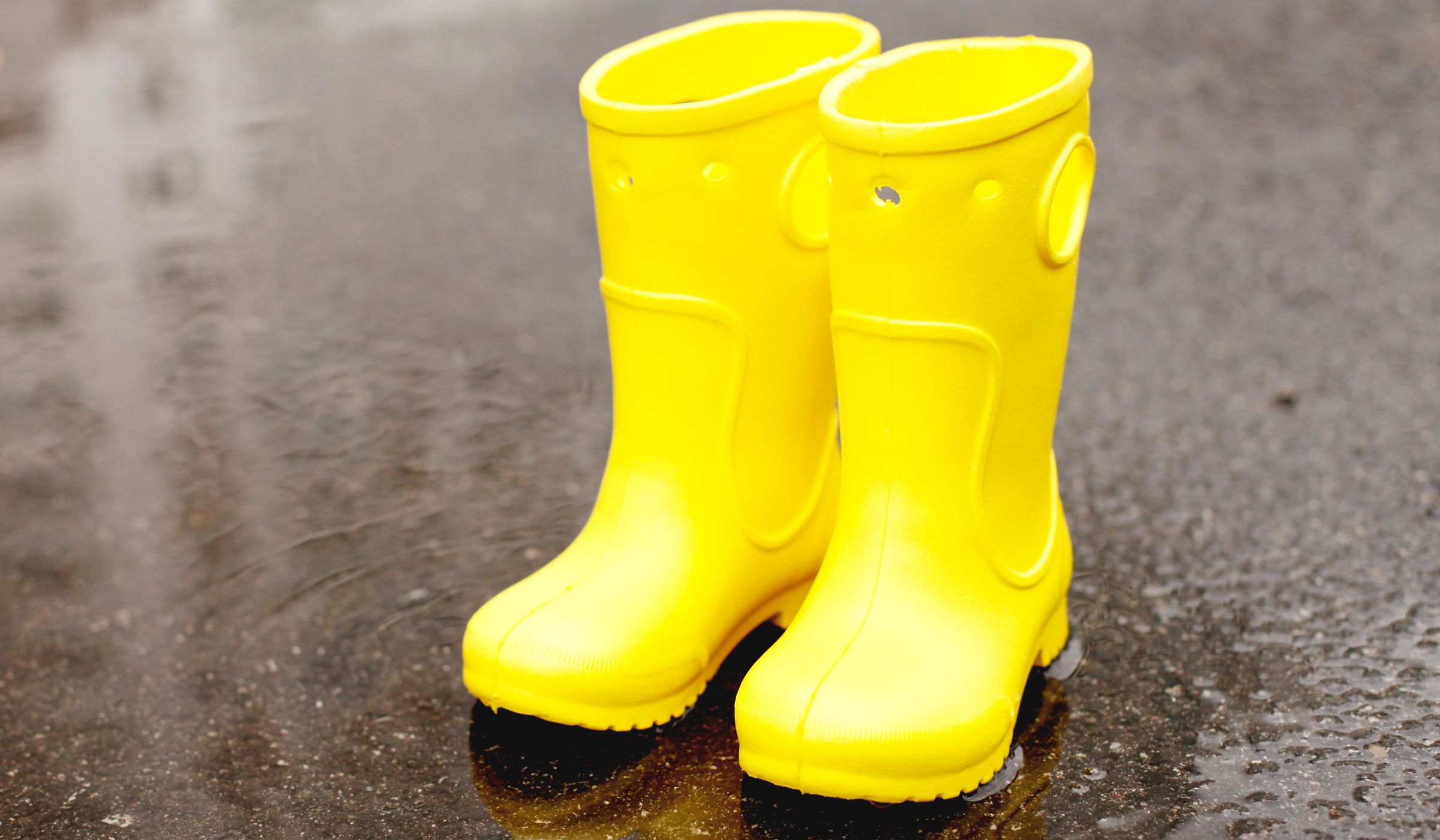
Rain boots are designed to protect the feet and lower legs from water, mud, and wet ground. They are commonly made from rubber or waterproof synthetic materials and often feature a tall shaft that prevents water from entering over the top.
Waterproof shoes, on the other hand, generally have a lower profile and are designed to keep water out while providing the comfort and flexibility of regular footwear. Many models use waterproof membranes, sealed seams, or treated materials to prevent moisture from reaching the feet.
Both options can be useful in wet conditions, but their suitability depends on the amount of water exposure and the activities involved.
Find the Perfect Fit for Your Industry
Don’t compromise on comfort or safety — Find your perfect boot with Korakoh’s specially designed range.
2. Water Protection and Coverage
The main difference between rain boots and waterproof shoes is the level of coverage they provide.
Rain boots are suitable for environments where water, mud, and puddles are common. Their taller design helps prevent water from entering when walking through wet grass, muddy paths, or shallow standing water.
Waterproof shoes are useful for light rain, damp pavements, and everyday activities where full lower-leg coverage is unnecessary. However, water may enter through the top opening if it rises above the shoe’s upper edge.
Consider the conditions you encounter most often. For prolonged exposure to heavy rain or deep puddles, rain boots may provide more practical coverage. For commuting or running errands in light rain, waterproof shoes may be sufficient.
3. Comfort and Flexibility
Comfort matters when wearing footwear for extended periods. The weight, fit, and flexibility of rain boots and waterproof shoes can affect how easily you move.
Rain boots often have a firm, protective structure. Some models may feel heavy or less flexible, particularly when worn for long periods. Wearing suitable socks and selecting the correct size can help improve comfort.
Waterproof shoes often fit like regular sneakers or work footwear. Depending on the design, they may offer better flexibility, cushioning, and support for walking or standing throughout the day.
When choosing footwear, consider the distance you need to walk and how long you will wear it. Waterproof shoes may be more comfortable for daily commuting and extended walking, while rain boots are practical when greater water coverage is required.
4. Grip and Slip Resistance
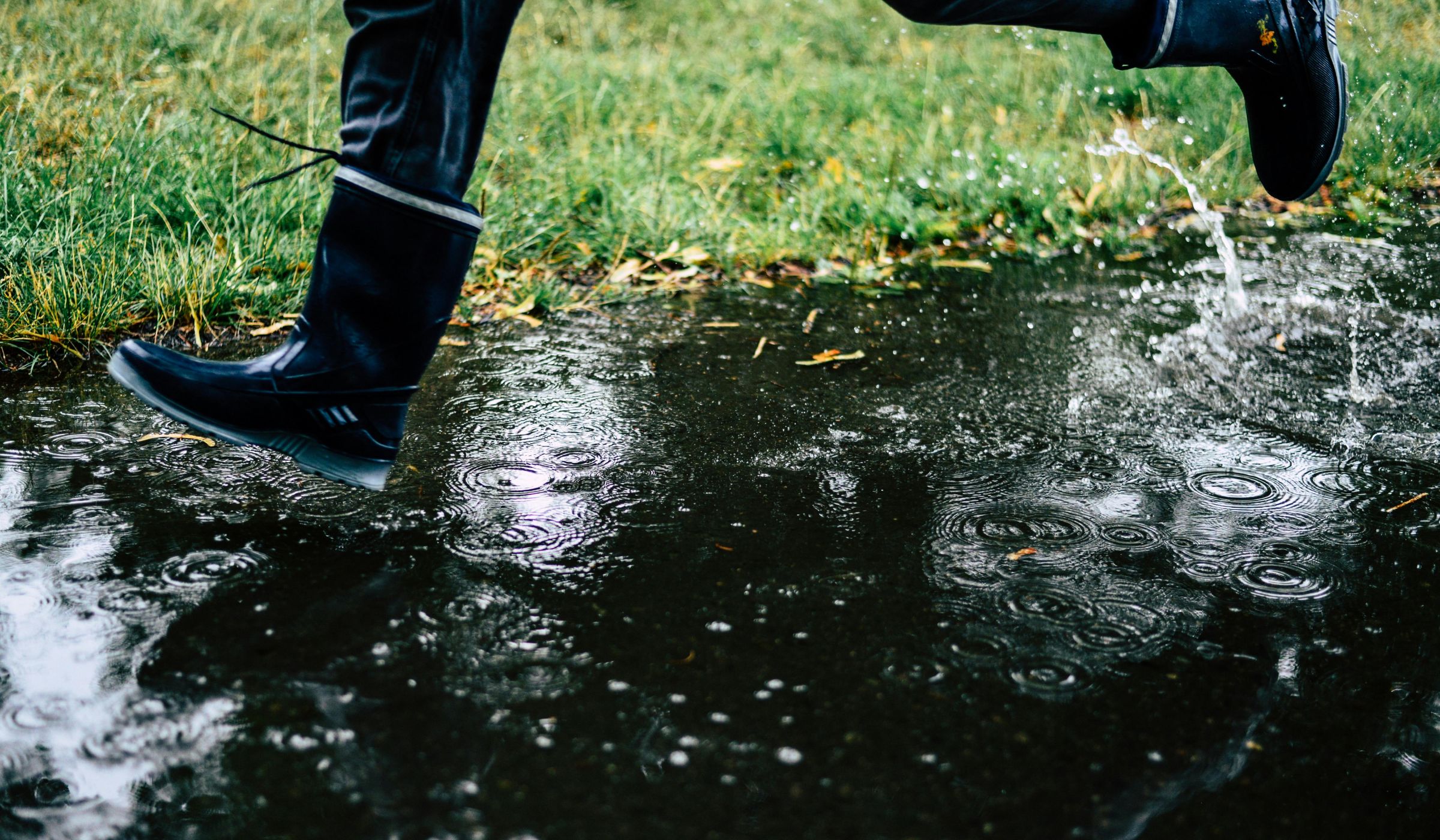
Wet surfaces can increase the risk of slipping, particularly on smooth tiles, concrete, metal walkways, and muddy ground. Footwear should provide suitable traction for the environment.
Rain boots often feature rubber outsoles designed to grip wet or muddy surfaces. However, tread patterns and rubber compounds vary between models, so not every rain boot provides the same level of traction.
Waterproof shoes may also have slip-resistant outsoles, making them suitable for certain outdoor and workplace environments. Their performance depends on the sole material, tread design, and surface conditions.
When comparing options, check the manufacturer’s specifications rather than assuming that waterproof footwear is automatically slip-resistant. For work environments with specific safety requirements, select footwear that meets the relevant standards.
5. Breathability and Moisture Management
Foot comfort depends on both water protection and ventilation, especially in Malaysia’s warm, humid climate.
- Rain boots: Offer strong water protection but may trap heat and moisture during extended wear.
- Waterproof shoes: Some models provide better breathability through specialized membranes that release moisture while keeping water out.
- Moisture management: Wear breathable socks and allow footwear to dry between uses.
Choose footwear that balances ventilation and water protection based on your daily activities and working conditions.
Find the Perfect Fit for Your Industry
Don’t compromise on comfort or safety — Find your perfect boot with Korakoh’s specially designed range.
6. Durability and Maintenance
Proper care helps extend the lifespan of rain boots and waterproof shoes. Follow these maintenance tips:
- Clean regularly: Remove dirt and mud after use.
- Dry properly: Allow footwear to air-dry naturally, away from excessive heat and direct sunlight.
- Follow care instructions: Use suitable cleaning methods and waterproofing treatments when recommended.
- Inspect for damage: Check for cracks, worn soles, and damaged seams, replacing footwear when protection is compromised.
Regular maintenance helps keep footwear in good condition and ensures reliable protection in wet conditions.
7. Choosing Footwear for Different Activities
The right option depends on where and how you plan to use it.
- Daily commuting: Waterproof shoes may be suitable for walking to work, using public transport, and navigating damp pavements.
- Gardening and outdoor chores: Rain boots can help protect against mud, wet grass, and puddles.
- Construction and industrial work: Choose footwear based on workplace hazards. Safety-rated waterproof boots or shoes may be necessary when toe protection, puncture resistance, or slip resistance is required.
- Agriculture and landscaping: Rain boots can provide useful coverage when working in muddy fields or wet outdoor areas.
- Hiking and outdoor recreation: Waterproof shoes may offer a practical balance of support and water protection on suitable trails, while taller boots may be preferable in muddy conditions.
- Heavy rain and flooding: Select footwear according to water depth and local safety guidance. Ordinary rain boots and waterproof shoes are not necessarily designed for floodwater or hazardous conditions.
Always check product specifications to ensure the footwear is suitable for the intended activity.
8. Factors to Consider Before Buying
Before purchasing rain boots or waterproof shoes, compare several important features:
- Waterproofing: Check whether the footwear is fully waterproof or only water-resistant.
- Fit and sizing: Ensure there is enough room for comfortable movement and suitable socks.
- Outsole traction: Choose a tread pattern appropriate for the surfaces you encounter.
- Weight: Consider how the footwear will feel during extended walking or standing.
- Breathability: Look for suitable moisture management when wearing footwear in warm conditions.
- Durability: Review the material, construction, and expected frequency of use.
- Safety features: For work, confirm that the footwear meets the required protection standards.
Comparing these features helps you choose footwear that balances protection, comfort, and practicality.
Conclusion
Rain boots and waterproof shoes both offer useful protection in wet conditions, but they serve different purposes. Rain boots are generally more suitable for muddy environments, puddles, and situations requiring greater water coverage. Waterproof shoes are often a practical choice for daily activities, light rain, and extended walking.
The right option depends on your environment, comfort preferences, and safety requirements. By comparing coverage, traction, breathability, fit, and durability, you can choose footwear that keeps your feet comfortable and protected in wet conditions.
Find Your Safety Shoes
KORAKOH Manufactures High Quality Safety Shoes, Industrial Safety Shoes, Safety Boots, Industrial PVC and Rubber Boots. We design, manufacture and distribute high quality PVC Safety Gumboots to suppliers worldwide. Korakoh is also an expert in the design and development of customers own PVC Safety Gumboots, designs and specifications can be tailored to meet the wearers exact needs.