
Safety shoes are essential for workers who spend long hours on their feet or work in environments with potential hazards. From construction sites and warehouses to factories and workshops, the right footwear helps protect against workplace injuries while supporting comfort throughout the day. However, choosing suitable safety shoes requires more than looking at their appearance or price.
When selecting safety shoes for daily use, consider protection features, fit, material quality, and workplace requirements. A suitable pair can help reduce discomfort, withstand regular wear, and provide reliable protection during everyday tasks.
1. Understand Your Workplace Safety Requirements
Identify workplace hazards before choosing safety shoes, as different jobs require different protection. Construction workers may need toe and puncture protection, while warehouse staff may require slip-resistant soles. Manufacturing workers should select footwear suited to their specific workplace risks.
Consider these common safety features:
- Toe protection: Reduces the risk of toe injuries from falling objects, heavy equipment, and compression.
- Slip-resistant soles: Improve grip on suitable surfaces and help reduce the risk of slipping.
- Puncture-resistant midsoles: Help protect the feet from sharp objects that could penetrate the sole.
- Electrical hazard protection: Certain footwear is designed to reduce specific electrical risks when used under the conditions stated by the manufacturer.
- Water resistance: Helps keep feet dry in damp working environments, depending on the footwear’s construction and rating.
Review your workplace risk assessment and applicable safety requirements before choosing a pair.
Find the Perfect Fit for Your Industry
Don’t compromise on comfort or safety — Find your perfect boot with Korakoh’s specially designed range.
2. Prioritize Comfort for Long Working Hours
Choose safety shoes that provide lasting comfort for workers who stand or walk for long periods. Properly fitted footwear should support natural movement, offer enough toe room, and keep the heel secure to reduce fatigue, blisters, and pressure points.
Important comfort features include:
- Cushioned insoles: Help improve underfoot comfort during long shifts.
- Arch support: Provides support suited to the shape of the foot.
- Breathable materials: Help manage heat and moisture inside the shoes.
- Flexible construction: Allows natural movement where appropriate for the work environment.
- Lightweight design: Makes walking and standing for extended periods less tiring.
Try safety shoes with the socks you normally wear at work. If possible, test them later in the day when your feet may be slightly swollen. Comfort should not come at the expense of required safety protection.
3. Choose Durable Materials
Choose safety shoes made from durable materials that can withstand daily wear, friction, and workplace conditions. Leather offers durability for demanding environments, while synthetic materials may be lighter and easier to maintain. The right choice depends on your job requirements and footwear design.
When evaluating durability, check:
- Upper material: Look for construction suited to the expected wear and working conditions.
- Sole quality: Ensure the sole is appropriate for the surfaces and hazards involved.
- Stitching and bonding: Inspect the seams and connection between the upper and sole.
- Toe cap construction: Confirm that the protective component meets the required specifications.
- Overall workmanship: Check for loose parts, uneven finishing, or visible defects.
Durability also depends on how the shoes are used, cleaned, and stored. Even well-made footwear requires regular inspection.
4. Select the Right Sole for Your Work Environment
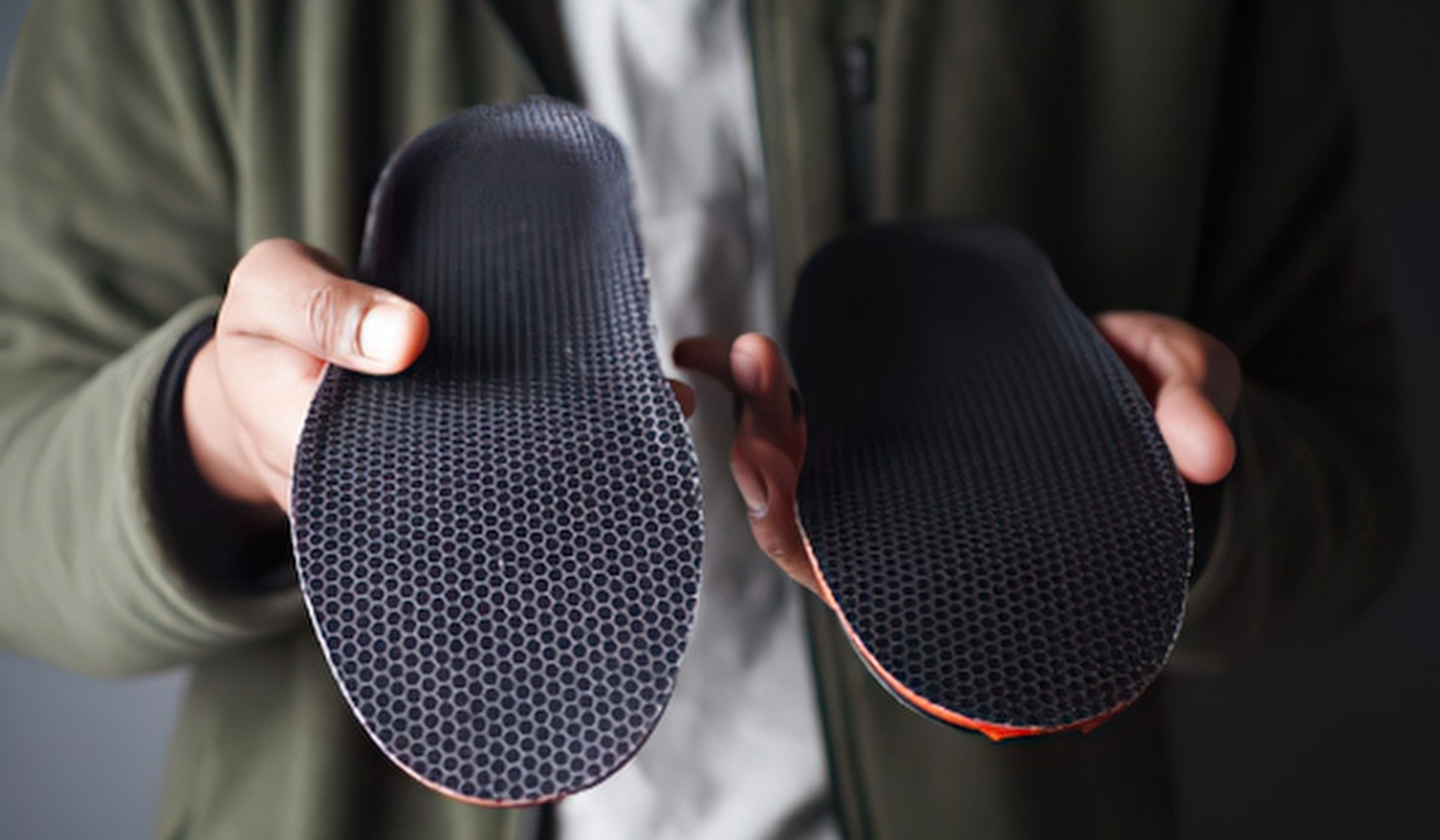
Choose safety shoes with outsoles suited to your workplace conditions. Slip-resistant soles help improve grip on warehouse floors, while construction sites may require better traction on uneven ground. For workshops, consider soles designed to maintain grip on surfaces exposed to oil or other substances.
When choosing soles, consider:
- Slip resistance: Select footwear tested and rated for the relevant conditions.
- Abrasion resistance: Helps the sole withstand repeated contact with rough surfaces.
- Oil resistance: Useful where contact with oils is a known workplace hazard, if specified for the product.
- Flexibility: Consider whether the sole supports the movements required for the job.
- Tread pattern: Check that the design suits the working surface and does not trap excessive debris.
No sole provides the same grip on every surface. Follow the manufacturer’s instructions and keep work areas clean to minimize slipping hazards.
5. Ensure the Correct Fit and Size
The correct fit supports both comfort and stability. Safety shoes that are too tight can cause pressure and discomfort, while shoes that are too loose may allow excessive movement and increase the risk of trips or blisters.
When trying on a pair, check the following:
- There is adequate space around the toes.
- The heel stays secure when walking.
- The shoes do not create pressure points along the sides.
- The fastening system holds the foot comfortably in place.
- Both feet feel supported when standing and moving.
Sizing can vary between brands and models, so avoid relying on the size printed on your existing footwear alone. If you use orthotic insoles, check that they are compatible with the safety shoes and do not compromise the fit or protective features.
Find the Perfect Fit for Your Industry
Don’t compromise on comfort or safety — Find your perfect boot with Korakoh’s specially designed range.
6. Consider Breathability and Weather Conditions
Comfort in Malaysia’s warm and humid climate depends on proper ventilation and moisture control. Consider these factors when choosing safety shoes:
- Breathability: Helps reduce heat and moisture during long shifts.
- Moisture management: Keeps feet feeling drier and more comfortable.
- Water resistance: Suitable for outdoor work or wet conditions.
- Workplace protection: Ensure ventilation does not compromise required safety features.
Choose safety shoes that balance comfort, weather conditions, and workplace hazards.
7. Check Safety Standards and Product Specifications
Safety shoes should meet the requirements applicable to the workplace and relevant industry. Do not assume that footwear offers a particular level of protection based only on its appearance or marketing description.
Before purchasing, check the product label, technical specifications, and conformity documentation. Confirm that the footwear’s protective features match the hazards identified in your workplace risk assessment.
It is also useful to ask the supplier about available sizes, product certification, replacement options, and care instructions. A reliable supplier should be able to explain the features of the footwear and help you identify suitable models.
8. Maintain Your Safety Shoes Regularly
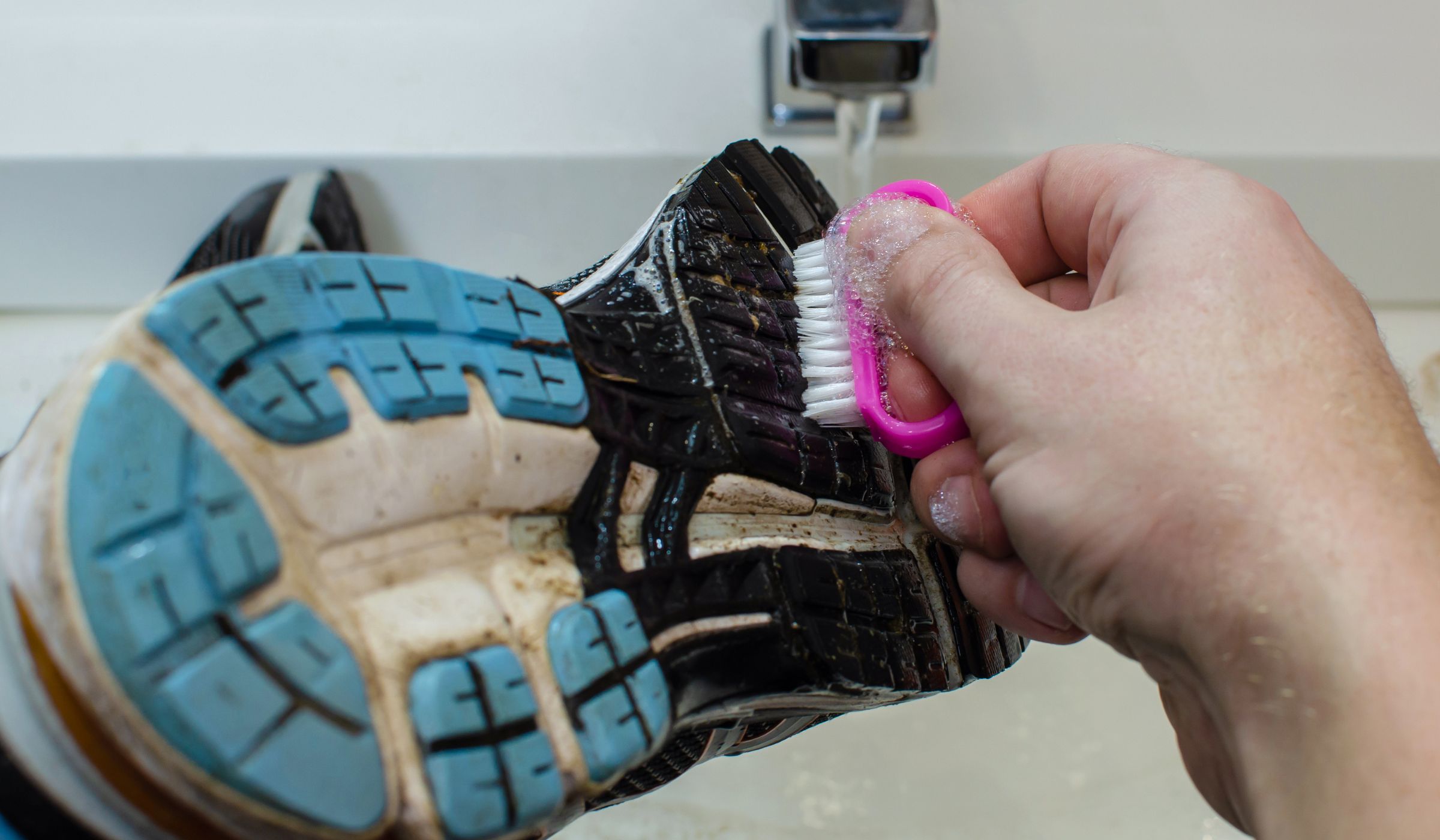
Regular maintenance keeps safety shoes in good condition and helps detect damage before it affects protection.
Simple maintenance practices include:
- Clean off dirt and workplace residue according to the manufacturer’s instructions.
- Allow shoes to dry properly after use.
- Inspect soles for excessive wear, cracks, or separation.
- Check stitching, fasteners, and protective components for damage.
- Replace footwear when its protective features are compromised.
Avoid using cleaning products or drying methods that could damage the material. Safety shoes should also be replaced according to their condition and the manufacturer’s recommendations, rather than relying on a fixed lifespan alone.
Conclusion
Selecting comfortable and durable safety shoes involves balancing workplace protection, fit, material quality, sole performance, and daily comfort. The right footwear should meet the hazards of the job while supporting workers throughout their shifts.
Choosing suitable safety shoes involves understanding workplace hazards, checking the fit, comparing specifications, and carrying out regular maintenance. Investing in appropriate safety shoes helps support safer working conditions and more comfortable daily operations.
Find Your Safety Shoes
KORAKOH Manufactures High Quality Safety Shoes, Industrial Safety Shoes, Safety Boots, Industrial PVC and Rubber Boots. We design, manufacture and distribute high quality PVC Safety Gumboots to suppliers worldwide. Korakoh is also an expert in the design and development of customers own PVC Safety Gumboots, designs and specifications can be tailored to meet the wearers exact needs.