
Safety boots are essential protective footwear for many industries, including construction, manufacturing, logistics, warehousing, oil and gas, engineering, and industrial services. As businesses operate across international markets, the import and export of safety boots has become an important part of the global protective footwear supply chain.
For businesses involved in international trade, understanding product requirements, documentation, quality standards, shipping procedures, and supplier relationships can help make the process more efficient. Whether a company is importing safety boots for local distribution or exporting products to overseas customers, careful planning is important.
Understanding Safety Boot Requirements
Before starting the import and export of safety boots, businesses should understand the specific requirements of their target market. Safety boots are available with different protective features depending on the working environment.
Common features include:
- Steel or composite toe caps
- Slip-resistant soles
- Puncture-resistant midsoles
- Waterproof or water-resistant materials
- Electrical hazard protection
- Heat-resistant soles
- Chemical-resistant materials
- Ankle and foot support
Different industries may require different combinations of these features. For example, construction workers may need toe protection and puncture resistance, while workers in wet environments may require waterproof materials and slip-resistant soles.
Understanding the intended use helps businesses select suitable products and communicate requirements clearly with suppliers and buyers.
Choosing Reliable Safety Boot Suppliers
A reliable supplier is an important part of successful international trade. Businesses should assess suppliers based on product quality, manufacturing capabilities, certifications, pricing, production capacity, and delivery reliability.
When evaluating a supplier, consider:
- Product specifications
- Available safety standards and certifications
- Manufacturing experience
- Minimum order quantities
- Production lead times
- Quality control procedures
- Packaging requirements
- Export experience
- After-sales support
Businesses should also request product samples before placing large orders. Samples allow buyers to assess the construction, materials, comfort, sizing, finishing, and protective features of the footwear.
Find the Perfect Fit for Your Industry
Don’t compromise on comfort or safety — Find your perfect boot with Korakoh’s specially designed range.
Safety Standards and Certifications
Safety standards are particularly important when importing or exporting protective footwear. Requirements may vary depending on the destination country, industry, and intended application.
Businesses should confirm which standards apply before purchasing or shipping safety boots. Product documentation may include information about protective performance, materials, testing, and certification.
Compliance should be checked before the shipment is arranged. Importing products that do not meet the requirements of the destination market can result in delays, additional costs, rejected shipments, or difficulties with customers.
For this reason, businesses should work with suppliers that can provide appropriate technical documentation and evidence of product testing where required.
Import Procedures for Safety Boots
Importing safety boots involves several stages, from supplier selection to receiving the goods. Businesses should understand the requirements of both the exporting and importing countries.
The process may include:
- Selecting the supplier: Identify a manufacturer or exporter that can meet product and quantity requirements.
- Confirming specifications: Agree on sizes, materials, protective features, packaging, and product standards.
- Requesting quotations: Compare product prices, shipping terms, and other applicable costs.
- Preparing documentation: Ensure invoices, packing lists, certificates, and shipping documents are available.
- Arranging transportation: Select an appropriate shipping method based on cost, quantity, and delivery requirements.
- Customs clearance: Submit the required documents and comply with import procedures.
- Receiving and inspecting goods: Check the shipment for quantity, damage, specifications, and product consistency.
Importers should also calculate the total landed cost rather than focusing only on the purchase price.
Exporting Safety Boots to International Markets
Exporting safety boots requires businesses to understand the requirements of their target markets. Product specifications, labelling, packaging, documentation, and safety standards may differ between countries.
Before accepting an international order, exporters should confirm:
- Destination country requirements
- Product specifications
- Applicable safety standards
- Labelling requirements
- Packaging specifications
- Shipping terms
- Required documentation
- Import restrictions
- Delivery expectations
Clear communication with international buyers can help reduce misunderstandings and prevent problems during customs clearance or delivery.
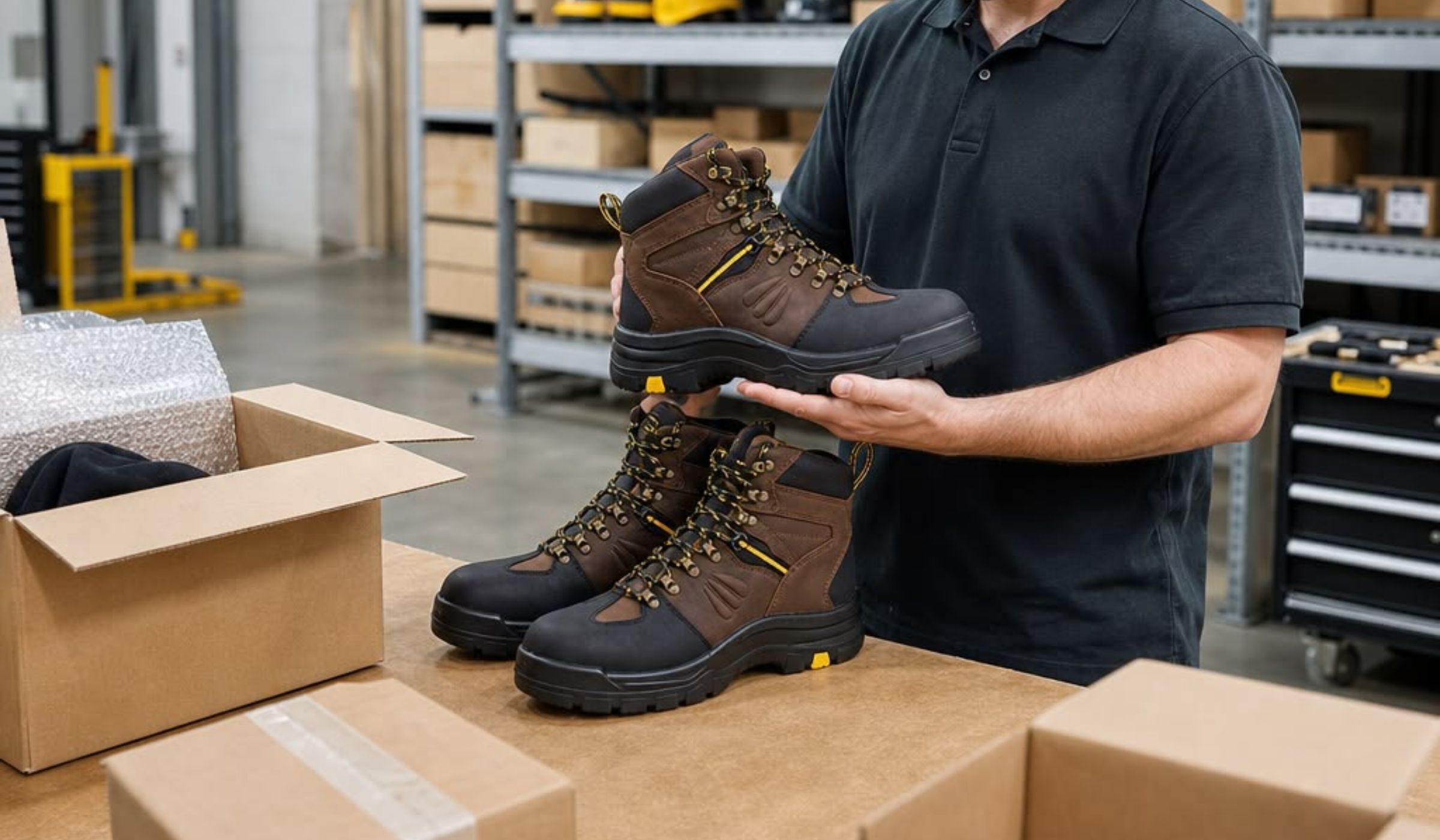
Shipping and Logistics Considerations
Transportation is another important factor in the import and export of safety boots. Businesses need to select a shipping method that matches the size, quantity, urgency, and destination of the shipment.
For large orders, sea freight may be suitable because it can transport substantial quantities at a lower cost per unit. Air freight can provide faster delivery but may involve higher transportation costs.
Packaging should also protect the footwear during handling and transportation. Safety boots should be packed securely to reduce the risk of damage, moisture exposure, deformation, or contamination.
Businesses should also consider delivery schedules and potential delays when planning inventory levels.
Managing Import and Export Costs
The purchase price of safety boots is only one part of the overall cost. Businesses should consider all expenses associated with international trade.
These may include:
- Product cost
- Packaging
- Freight charges
- Insurance
- Customs duties
- Taxes
- Port or handling charges
- Customs clearance fees
- Local transportation
- Storage costs
Calculating these costs in advance helps businesses determine suitable selling prices and avoid unexpected expenses.
Businesses should also understand the agreed shipping terms with suppliers or buyers. Clear trade terms can help define which party is responsible for transportation, insurance, customs procedures, and other costs.
Find the Perfect Fit for Your Industry
Don’t compromise on comfort or safety — Find your perfect boot with Korakoh’s specially designed range.
Quality Control and Product Inspection
Quality control is essential when importing or exporting safety boots in large quantities. Product inspections can help identify issues before goods are shipped or distributed.
Businesses may inspect:
- Toe cap construction
- Sole attachment
- Stitching
- Materials
- Sizing
- Protective features
- Surface finishing
- Packaging
- Product labelling
Regular quality checks can help maintain consistency between shipments. This is particularly important for businesses selling safety boots under their own brand or supplying products to corporate customers.
Building Long-Term Supplier Relationships
A strong relationship with reliable suppliers can support smoother international trade. Businesses that regularly import safety boots may benefit from consistent product specifications, better communication, and more predictable production schedules.
Clear agreements should cover product quality, quantities, prices, delivery schedules, packaging, payment terms, and procedures for handling defective products.
Regular communication also allows businesses to address production or shipping issues before they become larger problems.
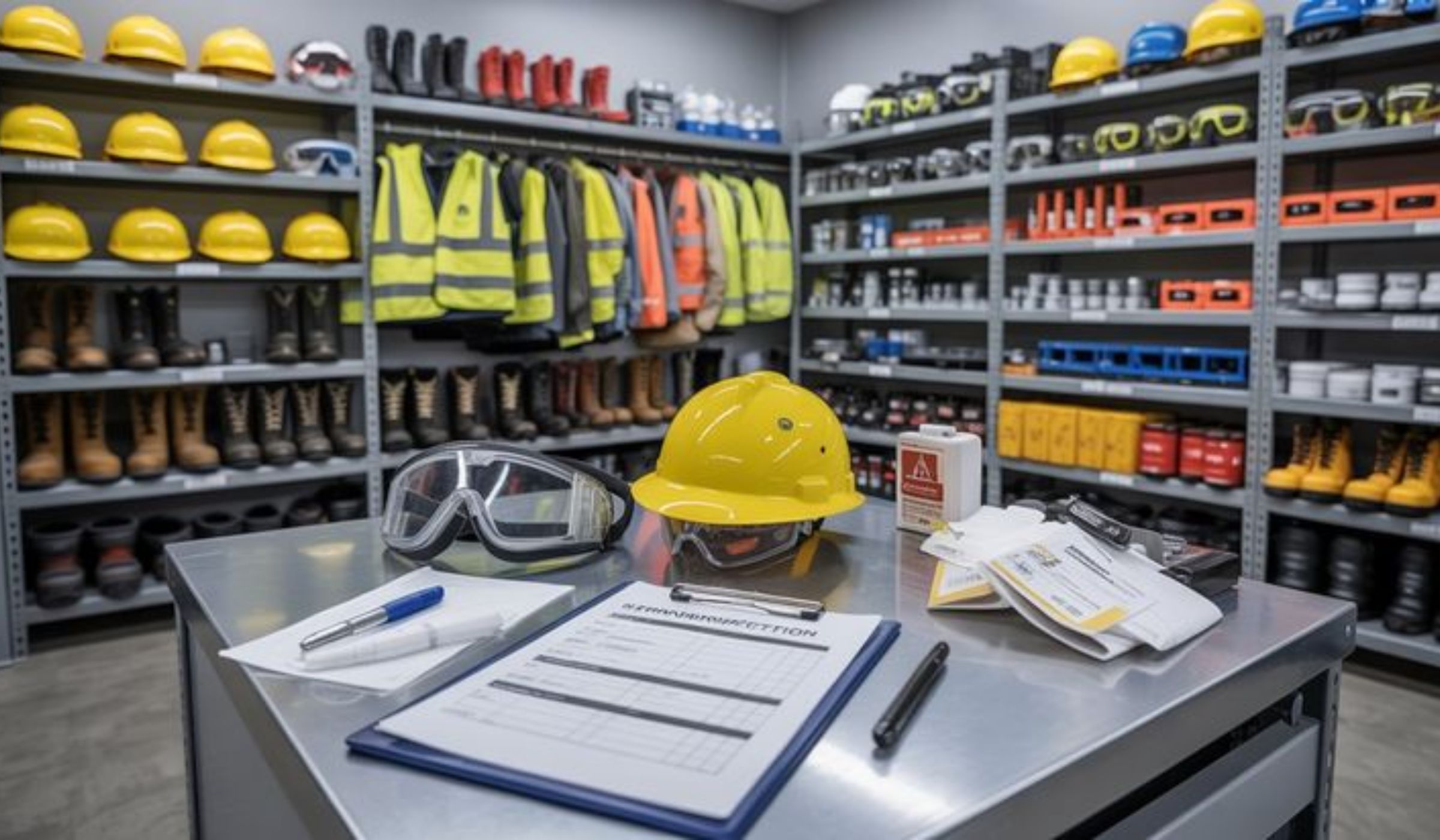
Choosing the Right Safety Boots for the Market
Different markets have different workplace requirements. Businesses should avoid treating all safety boots as interchangeable products.
Consider the industries being served, common workplace hazards, climate, working conditions, required protection, and customer preferences.
For example, customers working outdoors may prioritise waterproofing and durability, while warehouse workers may place greater importance on lightweight construction, slip resistance, and comfort.
Understanding these requirements helps importers and exporters select products that are suitable for their target customers.
Conclusion
The import and export of safety boots involves more than purchasing and shipping protective footwear. Businesses need to consider product specifications, safety standards, supplier reliability, documentation, customs requirements, logistics, quality control, and total costs.
By carefully planning each stage of the process, businesses can improve supply chain efficiency and reduce potential trade issues. Working with reliable suppliers and maintaining clear product requirements can also support consistent quality and long-term business relationships.
For companies involved in the international safety footwear market, understanding the complete import and export process is an important step towards managing orders effectively and meeting the needs of workers across different industries.
Find Your Safety Shoes
KORAKOH Manufactures High Quality Safety Shoes, Industrial Safety Shoes, Safety Boots, Industrial PVC and Rubber Boots. We design, manufacture and distribute high quality PVC Safety Gumboots to suppliers worldwide. Korakoh is also an expert in the design and development of customers own PVC Safety Gumboots, designs and specifications can be tailored to meet the wearers exact needs.