
Safety footwear is an important part of personal protective equipment (PPE) in many workplaces. Workers in construction, manufacturing, logistics, warehouses, engineering, utilities, and other industries may face hazards such as falling objects, sharp materials, slippery surfaces, electrical risks, heat, and chemical exposure.
Choosing the right safety shoes in Malaysia requires more than selecting a comfortable pair. Different safety shoes are designed to protect against specific workplace hazards. Understanding the available types and their intended uses can help employers and workers select footwear that matches the working environment.
Why Safety Shoes Are Important
Feet can be exposed to multiple workplace hazards throughout the working day. Heavy objects may fall, sharp materials may be present on floors, and wet or oily surfaces can increase the risk of slips.
Safety footwear can protect features such as:
- Protective toe caps
- Slip-resistant outsoles
- Puncture-resistant midsoles
- Electrical insulation
- Heat-resistant materials
- Water-resistant construction
- Chemical-resistant components
The right combination of features depends on the workplace and the risks workers are expected to encounter.
Steel Toe Safety Shoes
Steel toe safety shoes are among the most widely used types of protective footwear. They contain a steel toe cap designed to protect the toes from impact and compression.
They can be suitable for environments where workers may handle heavy equipment, materials, tools, or machinery.
Common applications include:
- Construction sites
- Manufacturing facilities
- Engineering workshops
- Warehouses
- Heavy-duty industrial environments
Steel-toe shoes offer strong protection but may be heavier than footwear with alternative toe-cap materials.
Find the Perfect Fit for Your Industry
Don’t compromise on comfort or safety — Find your perfect boot with Korakoh’s specially designed range.
Composite Toe Safety Shoes
Composite toe safety shoes use materials such as carbon fibre, fibreglass, or reinforced plastics instead of steel. They are designed to provide impact and compression protection while generally being lighter than traditional steel toe footwear.
Composite toe shoes can be useful for workers who spend long periods walking or standing. They may also be suitable in environments where metal-free footwear is preferred.
Potential applications include:
- Construction
- Manufacturing
- Electrical work
- Logistics
- Maintenance
- General industrial work
The exact protection provided depends on the footwear’s specifications and applicable safety standards.
Slip-Resistant Safety Shoes
Slip-resistant safety shoes are designed with outsoles that provide improved traction on surfaces where slipping may be a concern.
They can be particularly useful in workplaces exposed to water, oil, grease, or other substances that may reduce surface grip.
Common workplaces include:
- Food processing facilities
- Kitchens
- Warehouses
- Factories
- Cleaning environments
- Maintenance areas
Slip-resistant footwear does not eliminate the risk of slipping, so workers should still follow workplace housekeeping and safety procedures.
Puncture-Resistant Safety Shoes
Puncture-resistant safety shoes are designed to reduce the risk of sharp objects penetrating the sole. They may incorporate protective midsoles made from steel or other resistant materials.
These shoes can be useful in environments where workers may encounter nails, metal fragments, broken materials, or other sharp objects.
Typical applications include:
- Construction
- Demolition
- Recycling
- Manufacturing
- Building maintenance
- Industrial sites
The level of puncture resistance depends on the shoe’s construction and certification.
Electrical Hazard Safety Shoes
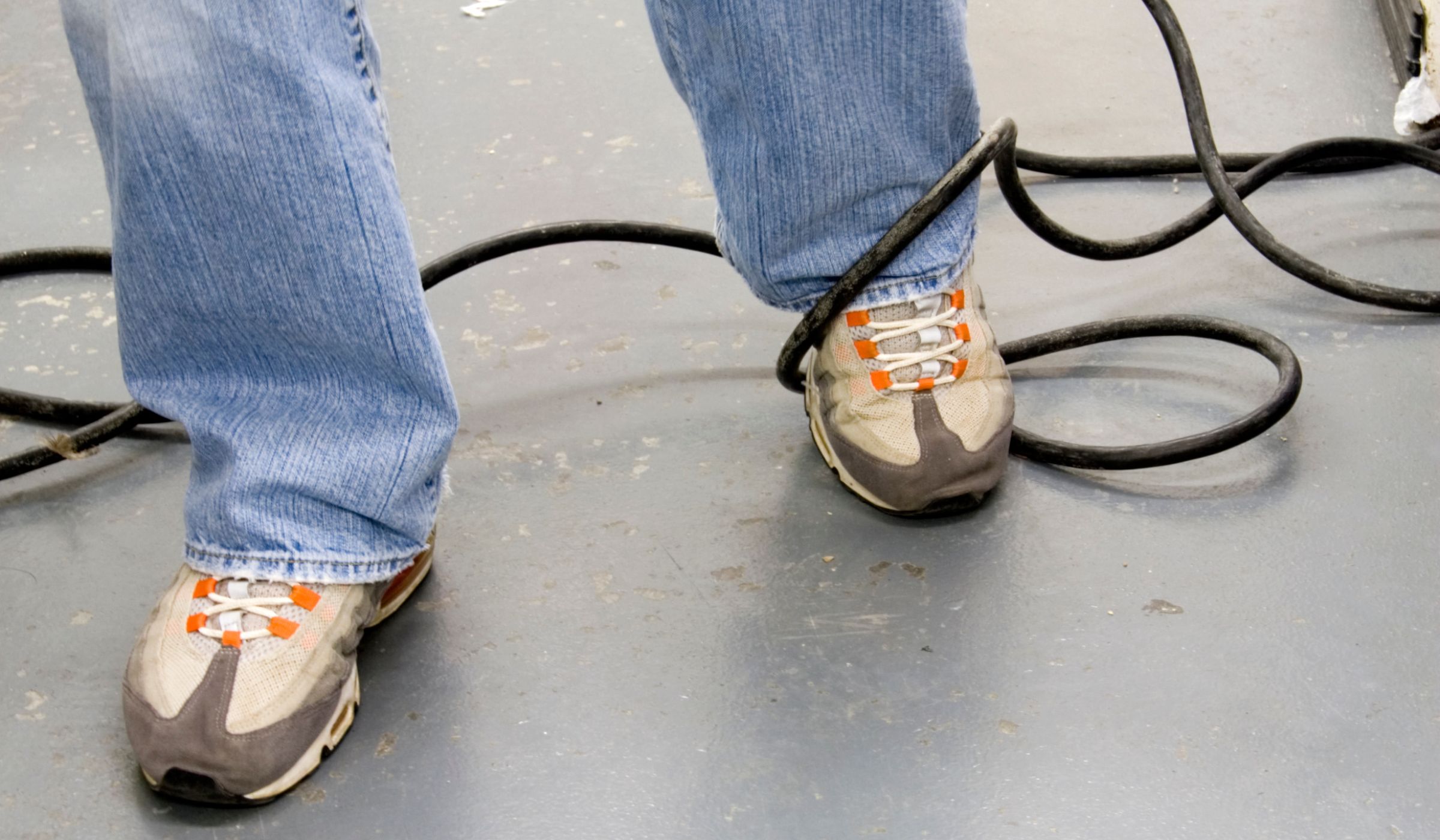
Electrical hazard safety footwear is designed for specific working environments where electrical risks may be present. Safety footwear designed for electrical hazards can help reduce electrical risks when used under the conditions specified by the manufacturer.
These shoes can be considered for certain electrical, maintenance, construction, and utility applications.
Workers should not assume that all safety shoes provide electrical protection. The footwear should be specifically designed, tested, and rated for the intended electrical hazard.
Waterproof Safety Shoes
These safety shoes are designed to provide moisture protection and help keep feet dry during wet work.
They can be useful in:
- Outdoor construction
- Landscaping
- Utilities
- Maintenance
- Wet industrial environments
- Certain logistics operations
Water resistance and waterproofing are not always the same. Employers should check the manufacturer’s specifications to determine the level of water protection provided.
Chemical-Resistant Safety Footwear
Some working environments involve exposure to chemicals, solvents, oils, or other substances. Specialised safety footwear may use materials designed to resist specific chemicals.
This type of footwear can be relevant to selected:
- Chemical processing facilities
- Laboratories
- Manufacturing plants
- Industrial cleaning operations
- Maintenance environments
Chemical resistance varies between materials and chemicals. Workers should verify compatibility rather than assuming that a pair of safety shoes can resist all substances.
Find the Perfect Fit for Your Industry
Don’t compromise on comfort or safety — Find your perfect boot with Korakoh’s specially designed range.
Heat-Resistant Safety Shoes
Workers in certain industrial environments may be exposed to hot surfaces, sparks, or elevated temperatures. Designed for hot environments, heat-resistant footwear uses materials and soles that offer greater temperature resistance than standard shoes.
Potential applications include:
- Metalworking
- Welding environments
- Foundries
- Manufacturing
- Industrial maintenance
Workers should check the footwear’s temperature rating and intended application before use.
Safety Boots
Safety boots provide many of the same protective features as safety shoes but generally extend higher around the ankle. This can provide additional coverage and support in certain working environments.
Safety boots may be suitable for:
- Construction
- Heavy industrial work
- Outdoor projects
- Utilities
- Agriculture
- Rough terrain
Depending on the design, safety boots may include toe protection, puncture resistance, slip resistance, waterproofing, or other protective features.
Lightweight Safety Shoes
Some modern safety footwear is designed to reduce weight while maintaining required protective features. Lightweight models may use composite toe caps, synthetic materials, or specialised sole designs.
They can be suitable for workers who spend many hours walking or standing, including employees in warehouses, logistics, manufacturing, and facility management.
However, comfort should not replace protection. Workers should ensure that lightweight footwear still meets the safety requirements of their specific workplace.
Choosing the Right Safety Shoes
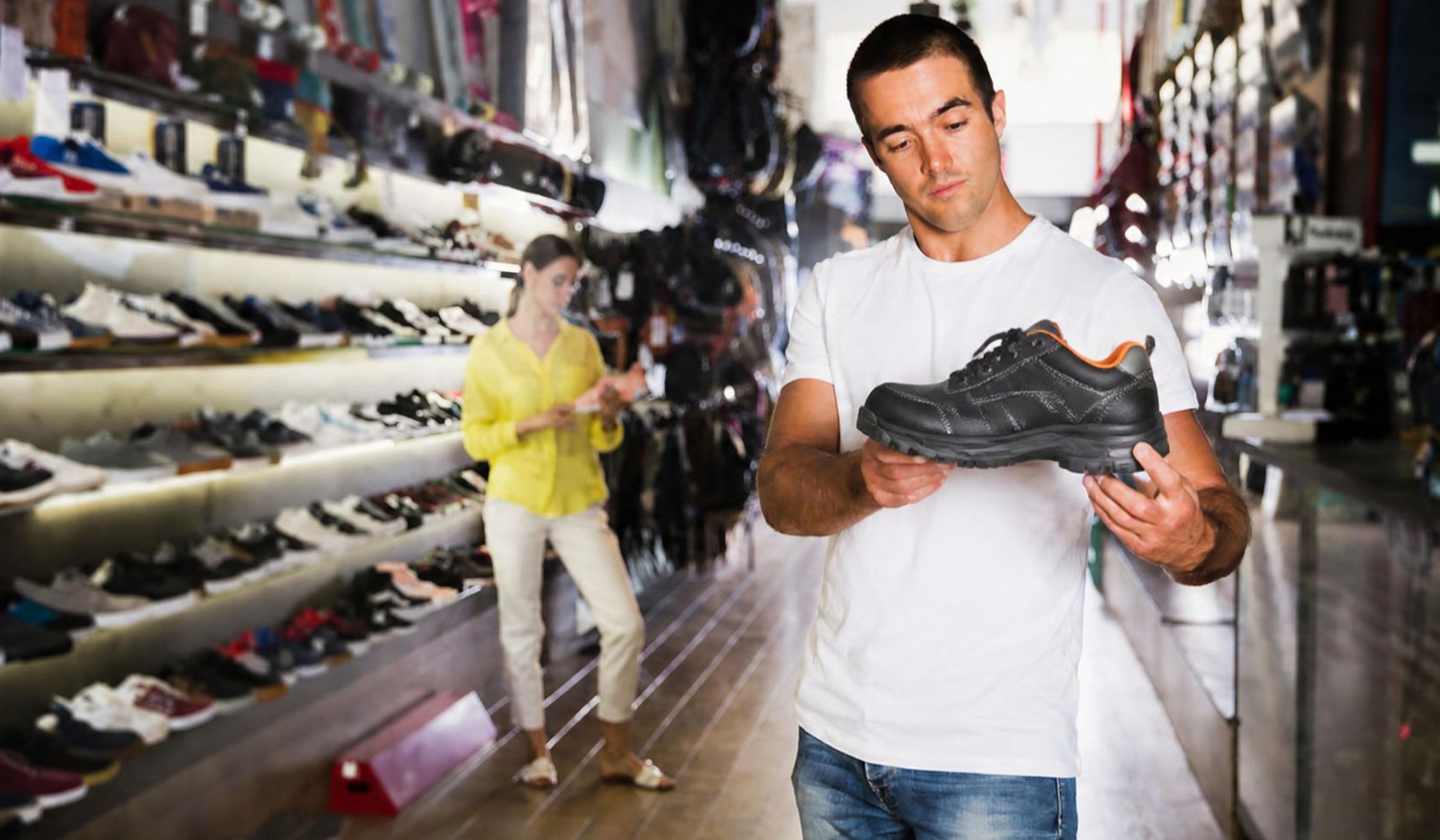
Selecting safety shoes in Malaysia should begin with identifying the hazards present in the workplace. Employers should assess the tasks workers perform, the environment, and the level of protection required.
Important factors to consider include:
Workplace Hazards
Identify risks such as falling objects, sharp materials, slips, electricity, heat, water, and chemicals.
Protective Features
Choose footwear with protection suited to the identified workplace hazards.
Fit and Comfort
Ensure the shoes fit properly and remain comfortable during extended use.
Material and Construction
Select materials and construction that suit the working environment and required protection.
Standards and Certification
Check that the footwear meets relevant safety standards and workplace requirements.
Durability
Choose footwear that can withstand the working conditions and frequency of use.
Conclusion
There are many types of safety shoes in Malaysia, each designed for different workplace conditions and hazards. Different types of safety footwear, including steel-toe, composite-toe, slip-resistant, waterproof, and heat-resistant options, protect against specific workplace hazards.
The most suitable footwear depends on the hazards, working environment, required protection, comfort, and applicable safety standards. Considering these factors carefully allows employers and workers to choose safety footwear that balances proper protection, comfort, and practicality.
Find Your Safety Shoes
KORAKOH Manufactures High Quality Safety Shoes, Industrial Safety Shoes, Safety Boots, Industrial PVC and Rubber Boots. We design, manufacture and distribute high quality PVC Safety Gumboots to suppliers worldwide. Korakoh is also an expert in the design and development of customers own PVC Safety Gumboots, designs and specifications can be tailored to meet the wearers exact needs.