In Malaysia’s diverse industrial landscape—from construction sites in Kuala Lumpur to manufacturing plants in Penang and logistics hubs in Johor—workers rely on safety footwear to protect their feet from hazards that are both obvious and unseen. When employees face long working hours, the importance of choosing the right safety shoes goes beyond meeting safety standards: it’s about comfort, performance, and long-term foot health.
This article outlines the essential features of high-quality safety shoes for long shifts, helping employers and workers select footwear that delivers lasting protection, comfort, and performance.
1. Why Safety Shoes Matter in Malaysia’s Workforce
Safety shoes are more than protective gear; they are a frontline defense against common workplace injuries such as:
- Crushing injuries from falling objects
- Penetration from sharp debris
- Electric hazards
- Slips and falls on wet or oily surfaces
- Fatigue and chronic foot pain from prolonged standing
In Malaysia’s hot, humid climate and fast-paced industries, safety shoes must not only protect but also provide enduring comfort during long shifts. Wearing unsuitable footwear can lead to reduced concentration, fatigue, and even long-term musculoskeletal problems.
Find the Perfect Fit for Your Industry
2. Key Safety Standards to Look For
When investing in safety shoes, check whether they comply with recognized safety standards. In Malaysia, common benchmarks include:
- SIRIM Certification – local product quality mark
- EN ISO 20345 / 20347 – European industrial safety standards
- ASTM F2413 – American safety shoe standards
These standards define the performance criteria for toe protection, penetration resistance, electrical hazard protection, and other safety features. Shoes marked with these certifications have been tested to protect against specific risks—essential when workers face heavy machinery, sharp objects, or electrical hazards.
3. Comfortable Design Is Not a Luxury — It’s Essential
Long shifts demand footwear that doesn’t wear out the workforce. Comfort features that matter include:
a. Ergonomic Fit
Foot anatomy — arch shape, heel width, toe box space — varies greatly between individuals. Shoes that are too tight can lead to blisters, neuromas, or even deformities over time. A roomy toe box, ample arch support, and secure heel fit reduce strain and support natural walking patterns.
b. Breathability
Malaysia’s tropical weather means heat and sweat are constants. Safety shoes with breathable linings—such as mesh panels or moisture-wicking fabrics—promote better airflow, regulate internal temperature, and minimize moisture buildup, helping to reduce fungal infections, unpleasant odors, and overall foot discomfort during long working hours.
c. Cushioning and Shock Absorption
Good cushioning isn’t just for comfort; it reduces impact on joints. Extended standing and walking can cause heel pain, plantar fasciitis, and knee problems if shoes lack adequate padding. Look for midsoles with high-quality EVA (ethylene-vinyl acetate) or PU (polyurethane) foam for resilience and shock absorption.
4. Core Protective Features for Long Shifts
Safety shoes must first protect before they can comfort.
a. Safety Toe Caps
The most recognized protective component is the toe cap. Common materials include:
- Steel – classic, reliable impact protection
- Aluminum – lighter than steel, still strong
- Composite (fiberglass or carbon fiber) – non-metallic and lighter, great for jobs requiring metal detection safety or frequent airport security checks
Toe caps shield against heavy falling tools, equipment, and other impact threats.
b. Puncture-Resistant Midsoles
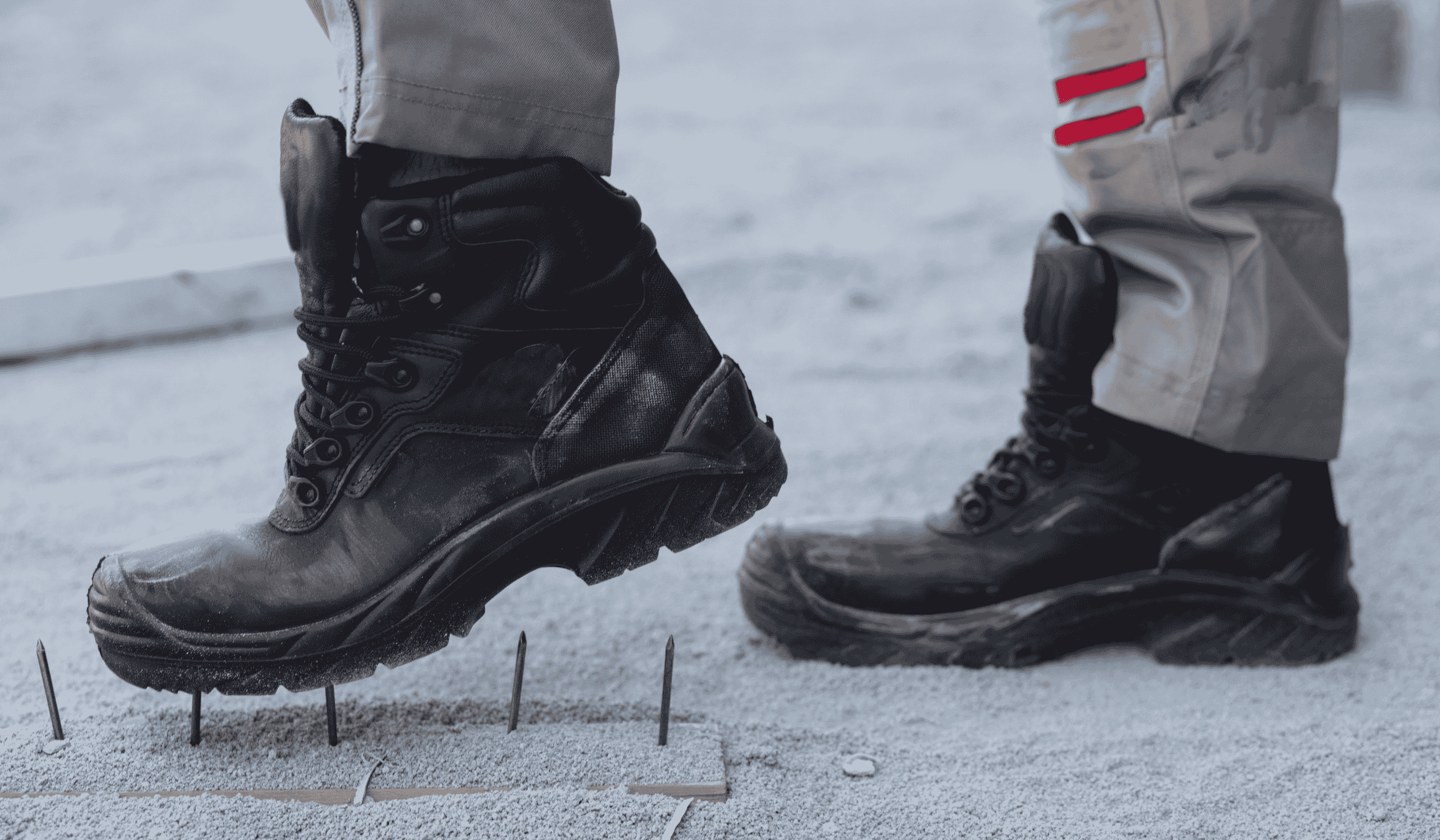
Sharp objects such as nails, metal shards, and glass can penetrate footwear. A puncture-resistant steel or composite plate between the outsole and midsole protects workers from sharp objects and potential foot injuries.
c. Slip-Resistant Outsoles
The work environment in Malaysia often involves wet surfaces—whether from rain, spills or condensation. The slip-resistant outsole, featuring a specially designed tread, enhances grip on wet or oily surfaces and helps prevent serious slips and falls.
d. Electrical Hazard Protection
In workshops or construction areas with exposed wiring or energized equipment, shoes rated for electrical hazard (EH) protection help insulate the wearer from accidental contact with live circuits.
5. Material Matters: Durability and Maintenance
The materials used in safety shoes affect durability, comfort, and ease of maintenance.
a. Leather
Known for its toughness and longevity, full-grain leather offers excellent abrasion and water resistance for heavy-duty tasks. It generally forms to the foot over time, enhancing comfort.
b. Synthetic Materials
Modern synthetics such as ballistic nylon or rip-stop fabrics are lightweight and breathable. While less durable than leather, synthetic materials make shoes lighter, enhancing comfort during long shifts.
c. Outsole Materials
- Rubber is ideal for excellent grip and chemical resistance.
- PU offers lighter weight and good cushioning.
- TPU (Thermoplastic Polyurethane) offers a balanced combination of durability, flexibility, and heat resistance.
6. Fit, Sizing, and Extended Wear Considerations
Selecting the correct size is essential for safety and comfort. Workers with wide feet or unique foot shapes may need wider widths or specialty insoles.
a. Try Before Buying
Whenever possible, fit safety shoes at the end of the workday when feet may be slightly swollen—this gives a more accurate fit.
b. Replace Insoles Periodically
Over time, the inner sole will compress and lose support. Replacing them regularly helps sustain comfort during long hours.
c. Break-In Period
New safety shoes often require a break-in period. Workers should gradually increase wear time during the first few days to avoid blisters and discomfort.
Find the Perfect Fit for Your Industry
7. Balancing Cost and Longevity
Many employers and workers in Malaysia have tight budgets, but investing in quality safety footwear pays off in the long run. Cheaper shoes may seem economical, but often sacrifice comfort, durability, or safety standards—leading to more frequent replacements and higher overall cost.
A good rule of thumb:
Investing more upfront in quality shoes ensures longer-lasting protection and sustained comfort for workers throughout every shift.
Quality safety shoes with good protective features and comfort design usually offer the best value over time.
8. Care and Maintenance for Longevity
Maintaining safety shoes extends their life and preserves their protective qualities:
a. Clean Regularly
Wipe mud and debris after each use. For leather shoes, regularly apply polish or conditioner to maintain durability and appearance.
b. Dry Properly
Avoid direct heat—air-dry at room temperature to prevent cracking or material breakdown.
c. Inspect Often
Check for worn tread, loose stitching, or damaged toe caps. Any compromise in structure reduces protection.
Conclusion
In conclusion, choosing the right safety shoes in Malaysia is crucial for workers who endure long hours on their feet in demanding environments. Beyond basic protection, the most effective safety shoes combine certified safety features with ergonomic design, breathable materials, and reliable cushioning to reduce fatigue and prevent long-term foot and joint issues.
By investing in well-fitted, durable footwear that suits the specific work environment, both employers and workers can enhance safety, improve comfort, and support productivity throughout the workday. Ultimately, quality safety shoes are not just a compliance requirement but a practical investment in health, performance, and workplace well-being.
Find Your Safety Shoes
KORAKOH Manufactures High Quality Safety Shoes, Industrial Safety Shoes, Safety Boots, Industrial PVC and Rubber Boots. We design, manufacture and distribute high quality PVC Safety Gumboots to suppliers worldwide. Korakoh is also an expert in the design and development of customers own PVC Safety Gumboots, designs and specifications can be tailored to meet the wearers exact needs.